Contact Us
Contact us


.png)
Samantha Steadman
July 14, 2026
Whether you're launching a nationwide merchandising campaign, rolling out POS displays across hundreds of stores or managing a retail installation programme, there's one thing every project relies on: understanding what's happening in the field.
A project plan may look perfect on paper, but once work begins across multiple locations, even the best-planned rollouts need to adapt. Stores have different layouts, deliveries can be delayed, access can change and unexpected issues inevitably arise.
That's why visibility has become such an important part of successful project delivery. It's not simply about knowing whether a job has been completed—it's about having the information needed to make decisions while the project is still in progress.
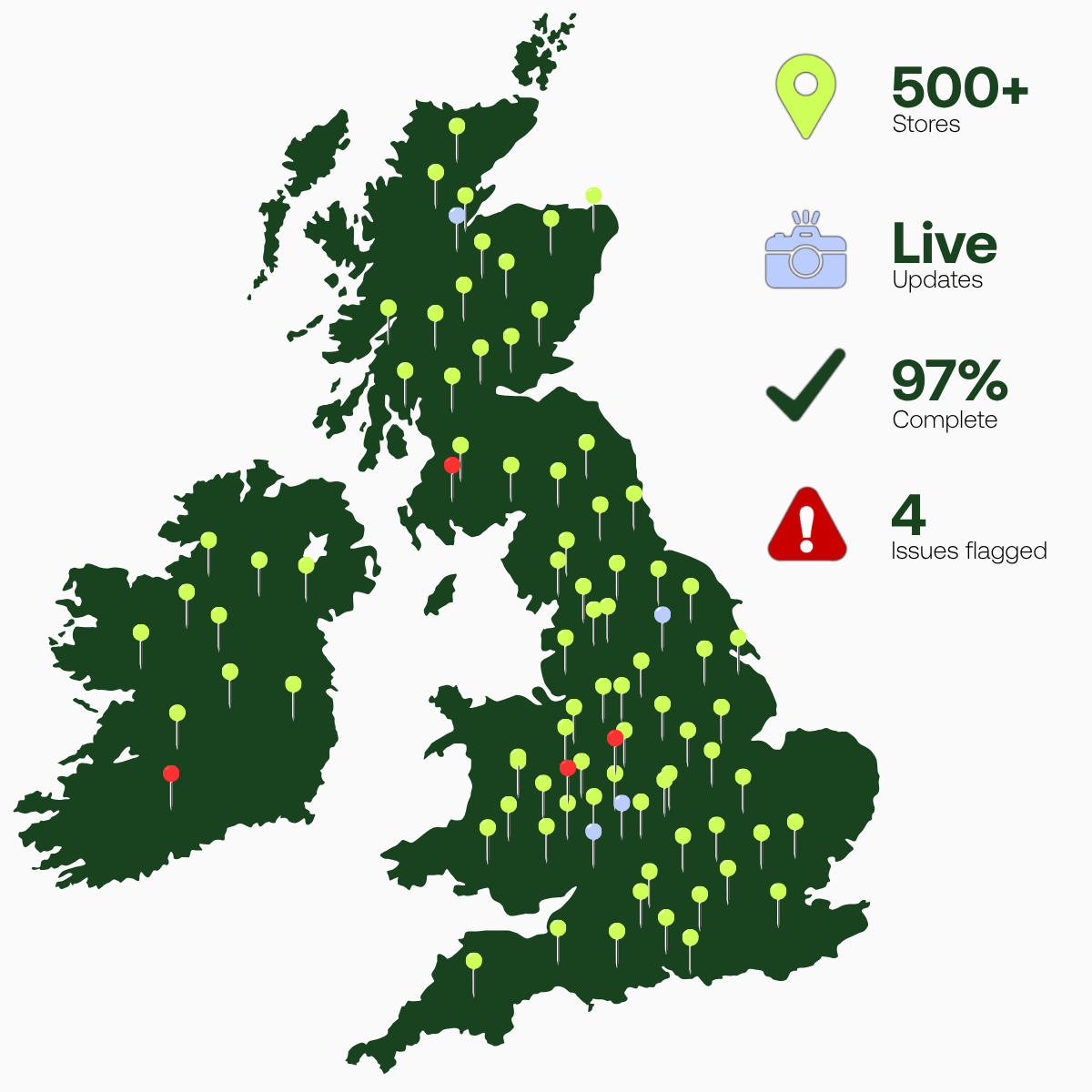
Field teams encounter challenges every day:
If these issues aren't visible & reported immediately, project managers often don't discover them until days later. By then, deadlines may already have been impacted.
Imagine a seasonal campaign launching on Friday. If five stores can't install because graphics haven't arrived, knowing that on Monday morning gives the project team time to resolve the issue before launch. Discovering it at the end of the week is a very different situation.
Equally, if several engineers report the same fitting issue across different stores, that pattern can be identified early and installation guidance updated before it affects the rest of the rollout.
Having visibility from the field allows teams to identify issues as they happen, make informed decisions and keep projects moving forward.

For brands investing in retail installation & merchandising, consistency matters.
A display installed correctly in one store, but incorrectly in another can dilute campaign impact and effect customer perception.
Visibility helps brands verify that:
Rather than relying on assumptions, businesses can make decisions based on objective evidence.
One of the most valuable forms of visibility is visual proof.
Photos captured before, during and after a visit provide clear evidence of:
This creates greater confidence for stakeholders and reduces the need for unnecessary follow-up visits.

Field projects involve multiple stakeholders, including retailers, brand teams, field teams, account managers and project teams.
When information is captured and shared consistently, it makes everyone's lives easier and has everyone singing from the same hymn sheet.
This improves:
Instead of spending time chasing updates, teams can focus on solving problems, supporting field colleagues and keeping projects moving.
Clear reporting creates accountability at every stage of a project.
Field teams can demonstrate the work they have completed, management teams can monitor progress and brand gain confidence that activity is being delivered as planned.
Increasingly, field teams are moving away from paper forms and disconnected spreadsheets in favour of digital tools that bring schedules, store information, photographs and reporting together in one place. The technology itself isn't the important part—it's the ability to share accurate information quickly and consistently with everyone involved in the project.
This transparency helps build trust and ensures everyone remains aligned on achieving the same outcomes.
Visibility isn't just valuable during a project.
The information captured throughout a campaign can reveal:
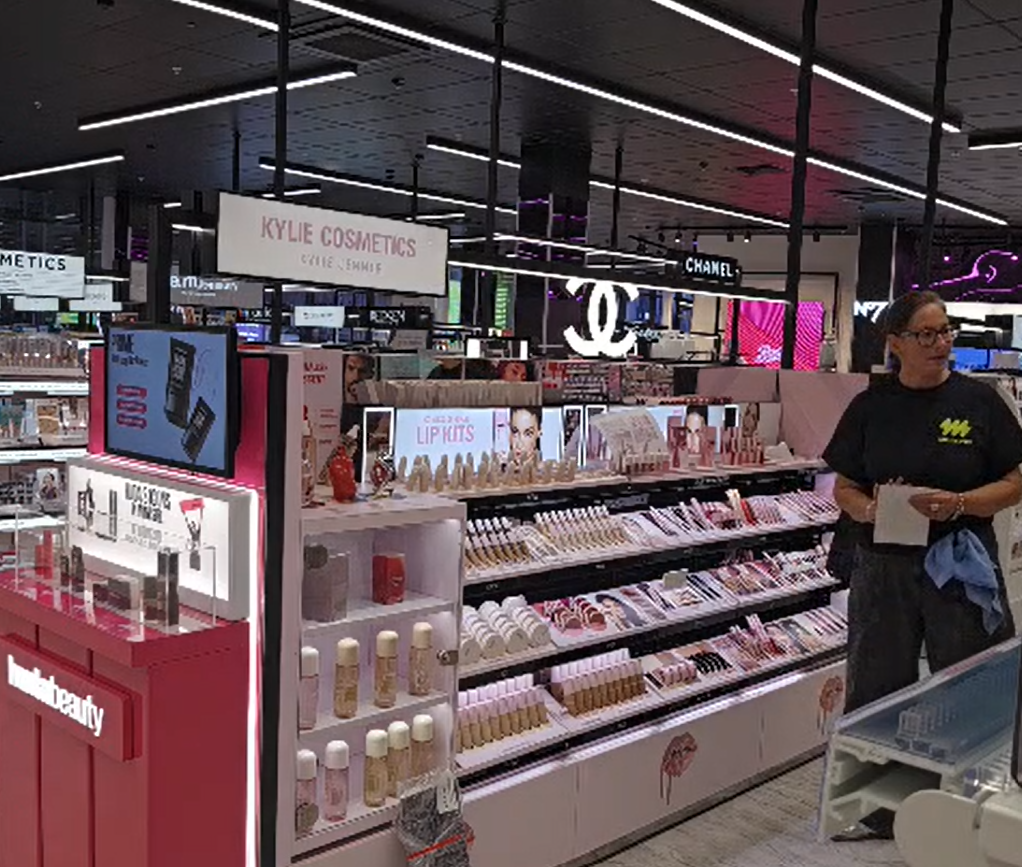
Over time, these insights help businesses plan more effectively, reduce costs and improve project performance, each and every run.
As retail projects become larger and more complex, understanding what's happening across every location has become just as important as completing the work itself.
Visibility gives project teams the confidence to respond quickly, communicate clearly and make informed decisions throughout a rollout. Ultimately, that leads to more consistent execution, stronger client relationships and better project outcomes.
Melita House
20 Centurion Way
Leicester
LE19 1WH
United Kingdom
0116 282 5665
info@melitagroup.co.uk


